Part 1: The Toilet
The toilet in our upstairs bathroom had a weak flush, probably for at least a couple of years. I hate it when shit doesn’t work and I’m not afraid to fiddle with toilets, so I had tried everything in my repertoire: adding and removing water from the tank level, the bowl level; snaking out the drain, plunging the hell out of it. Nothing helped. I felt lost and with a vague dread that the poorly flushing toilet was indicative of bad drainage in our main sewer, and that nothing was going to fix that, and the bad flush was just going to remind me about it constantly for years.
I don’t know why it took so long for me to think of asking Claude about it. When I did, things immediately started to feel more manageable:
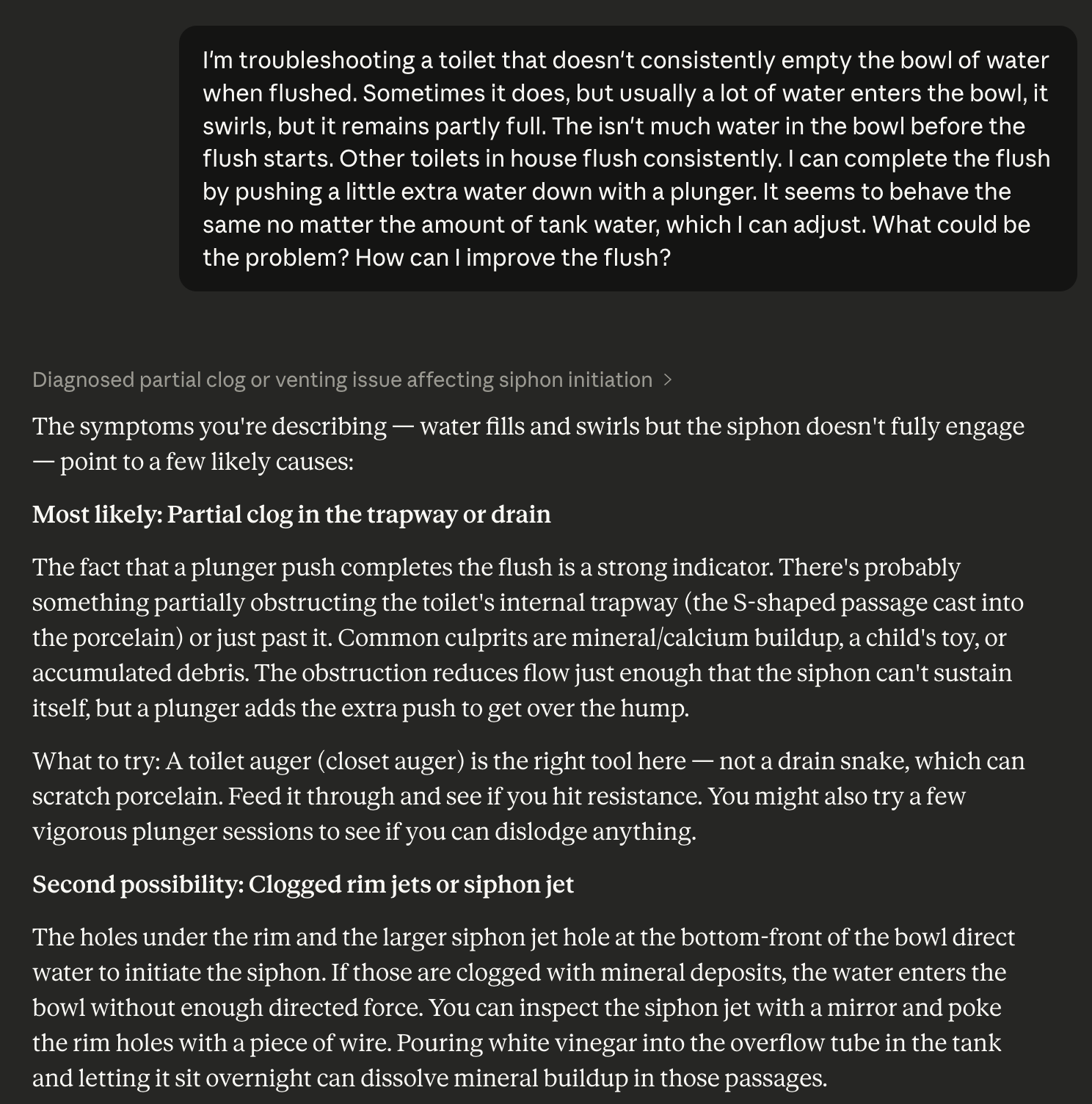
Alright, now we’re talking! But I already tried clearing clogs. But Claude presented me with another option here: “clogged rim jets or siphon jet.” What the hell is a siphon jet?! But then it got even better:

This is a suggestion I love as an engineer–it’s the core of good debugging. Isolate what my be the problem. I grabbed a bucket and did what Claude suggested, and was thrilled to watch the toilet execute a hearty flush. Huzzah! So now it’s time to look into this mysterious “siphon jet, what’s that anyway?”
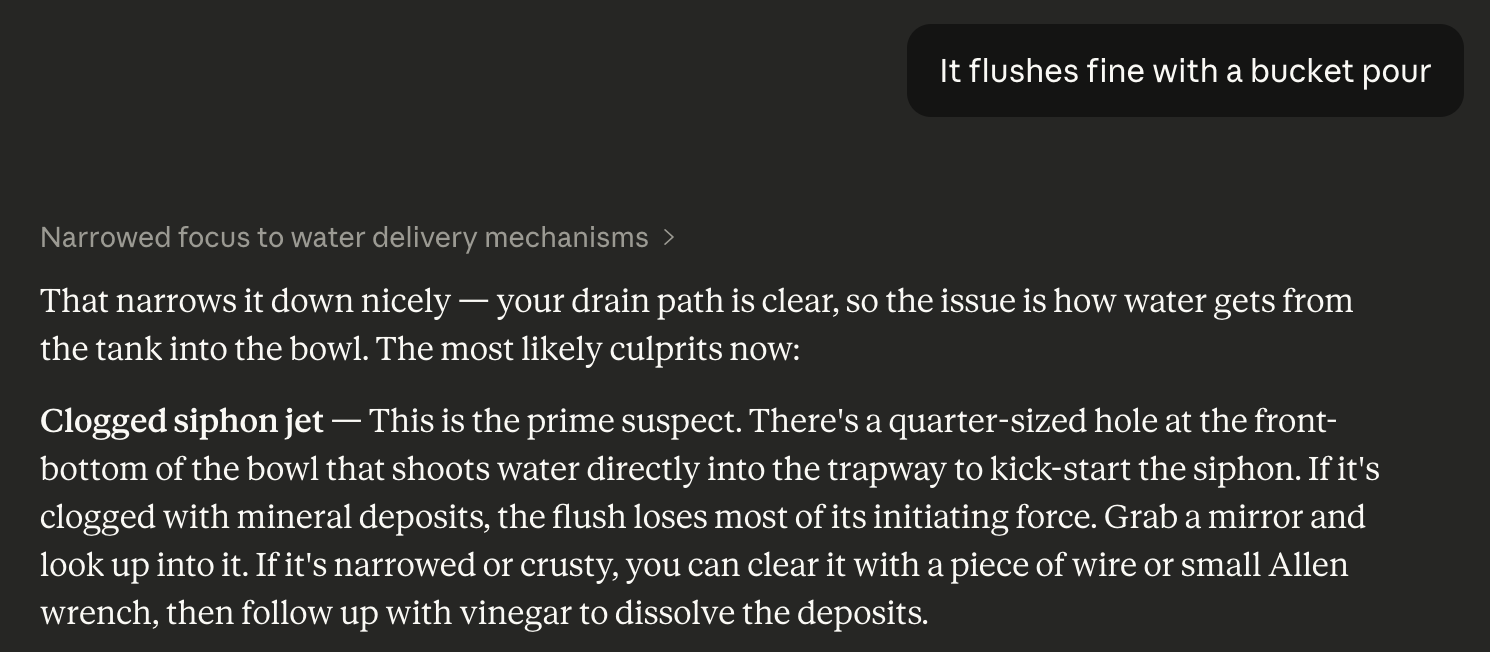
Friends, I did exactly what Claude told me and it completely fixed the toilet. I felt like a hero, surging with a sense of accomplishment and DIY glory that was really not much dimmed by the fact I just did what an LLM told me to do. This took just three turns with the LLM to get exactly the fix I needed.
I’ve come to learn coding with Claude every day that this is what LLMs truly shine at–instantly bringing in the correct context to solve a problem that many other people have already solved and (critically) talked about the solution to on the internet.
Things were not so smooth for my next fix… although I ultimately prevailed.
Part 2: The Microwave
A few days later, Leslie complained that the microwave wasn’t heating things. Sure enough, when I observed it, everything seemed to be going right, with lights on, timers counting down, fans running–but it lacked that low rumble I was used to hearing and things were just not heating up.
My first instinct, confirmed by my fellow EE undergrads, was to chuck it and get a new microwave. This is because microwaves have high voltage parts inside that can kill you really good, in particular a high-voltage transformer hooked up to a high voltage capacitor that brings things up to about 4000V. But this was a fancy microwave, bought to match the range it’s installed above, so it was expensive (about $700) and maybe impossible to find in the same matching color.
It was time to talk to Claude about it:
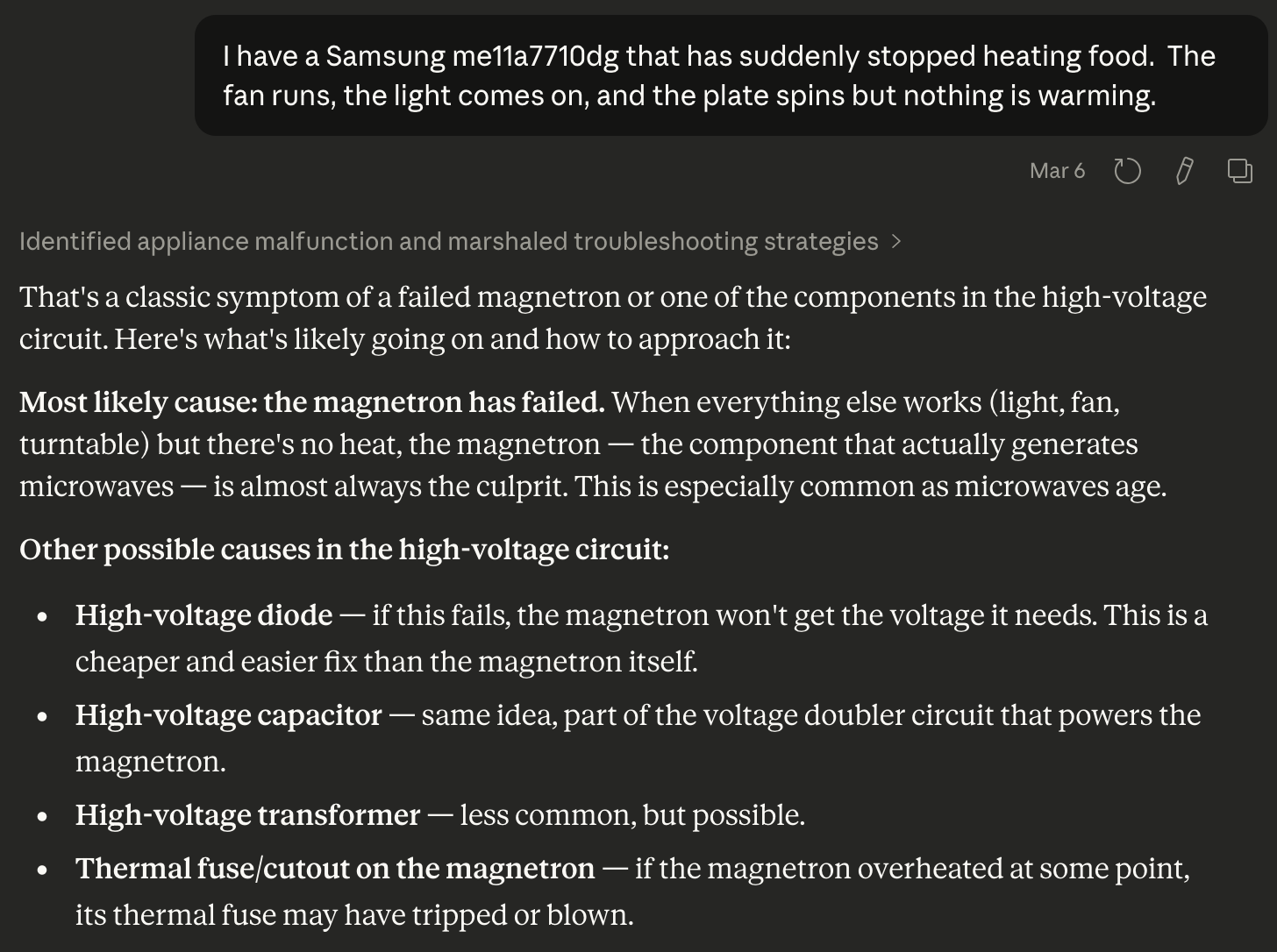
Let me spoil things a bit and say that in the end I did fix the microwave, and Claude here named one but not both of the parts that had failed (the high-voltage diode). Claude’s great failure was that it never suggested the other failed part, even after several hours of debugging across several days, and only because I had some background in circuits was I able to figure it out.
I started by going through diagnostic procedures with Claude’s help on all of the high frequency parts. The expensive stuff seemed okay, but when I got to the diode (a passive circuit element that allows current to flow one way but not the other), I found that it was open (it let current flow both ways). Bingo! Surely this was it, Claude was very confident in the fix, and I managed to order the part overnight from Amazon.

This thing just took a pair of pliers and a screw driver to replace, and of course an encounter with the potentially-deadly high voltage capacitor. I got it installed, closed up the case of the microwave, and put in a mug of water for 30 seconds. To my great disappointment, it still didn’t work–still missing that low-frequency hum that showed the magnetron was running.
The limitations of LLMs
I was bummed. After my slam-dunk success with the toilet, I felt invincible, and like with Claude as my co-pilot, I could get through any home repair issue. But I was at a dead end. I spent another couple of hours debugging with claude, working over every component in the high-voltage circuit with my multimeter and confirming they were all working as expected. It was just where you don’t want to be in a debugging effort–all the parts verified working, but the system as a whole broken.
In desperation, I pulled up the circuit diagram of the microwave that was included in the service manual I’d paid for so I could be sure about which screws to take out to disassemble it. Here’s what I was looking at (yes, it was sideways in the PDF):
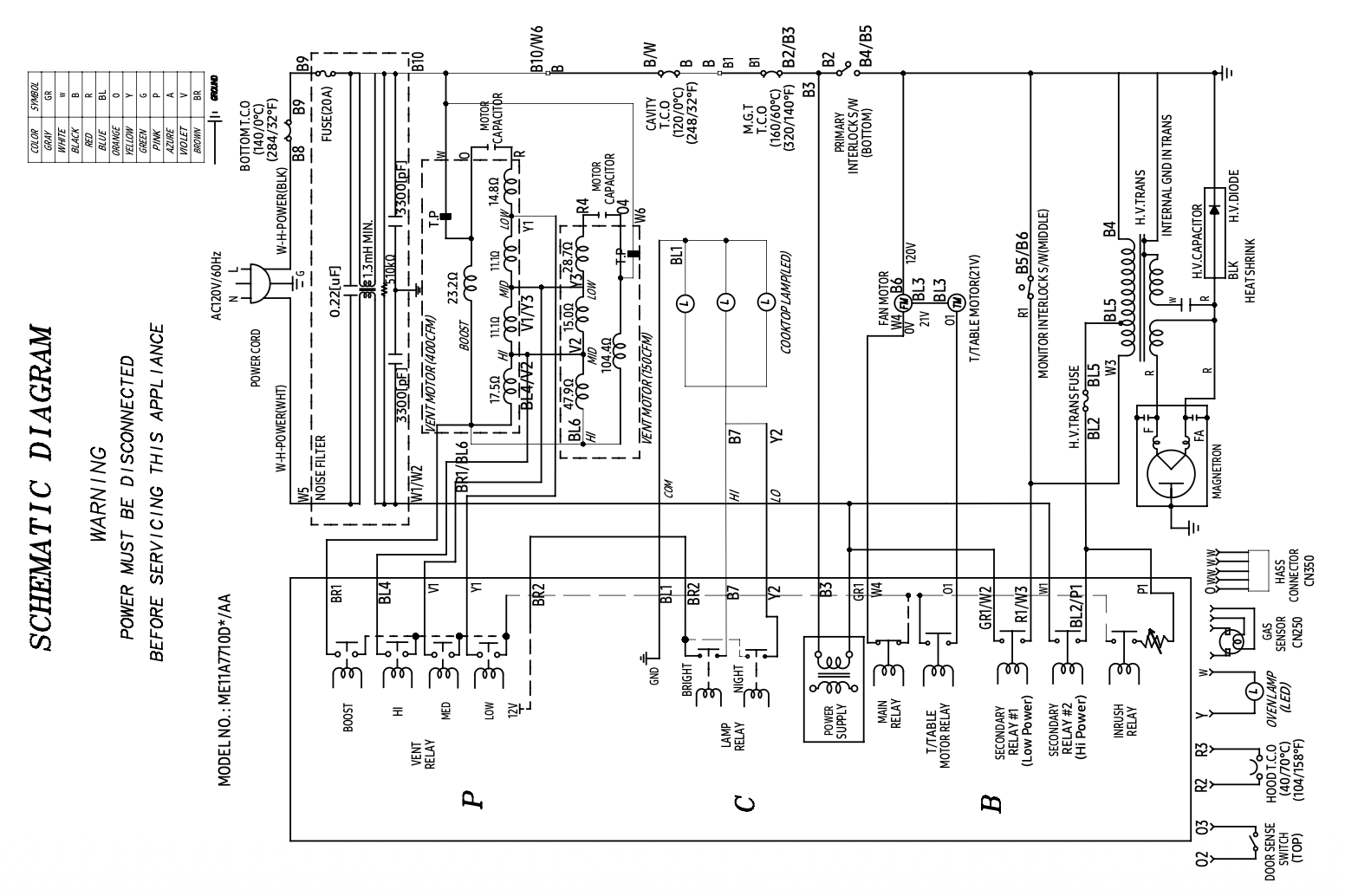
I found the little section on the right with the high voltage components, all of which I’d tested… except one. A fuse, circled here:
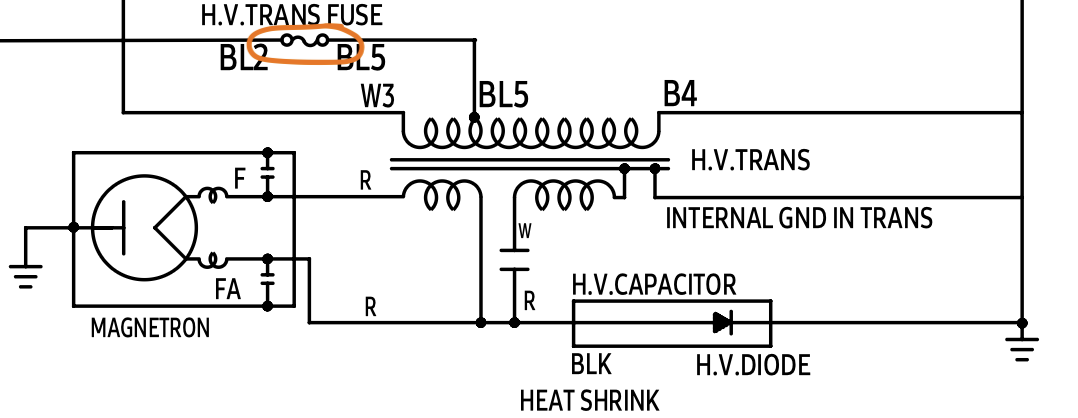
This was the second broken part. Claude had never mentioned this fuse, so I hadn’t tested it. I was on rails, under the confident guidance of the LLM. I was lucky to have training in electrical engineering and experience reading these diagrams–without that, I never would have solved my problem, and the microwave would probably have gone to a landfill.
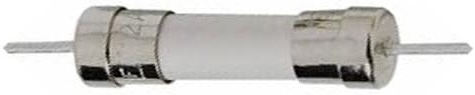
To me this captures perfectly the magic and limits of LLMs. I was right where LLMs shine with the toilet repair–a simple machine, a common failure mode, probably written about thousands of times in the training data, aka the whole damned Internet. But with the microwave, things got too specific. Claude knew in general how microwaves worked, what parts they had, even how to test them. There were forum posts about repairs to similar microwaves. But knowing about the specific parts of my specific microwave, and how they might be implicated in the failure–this was just too fine a detail for the probabilistic completion machine that is the LLM. When the right answer to your question is becomes sufficiently unlikely, an LLM can never produce it.
Things heating up again
It took three days to get a replacement fuse, because this was not a fuse meant to be serviced–it was through-hole soldered, and for a high-voltage circuit. But once it came in, I soldered it in, reassembled the microwave, and bam, water was heating again!